

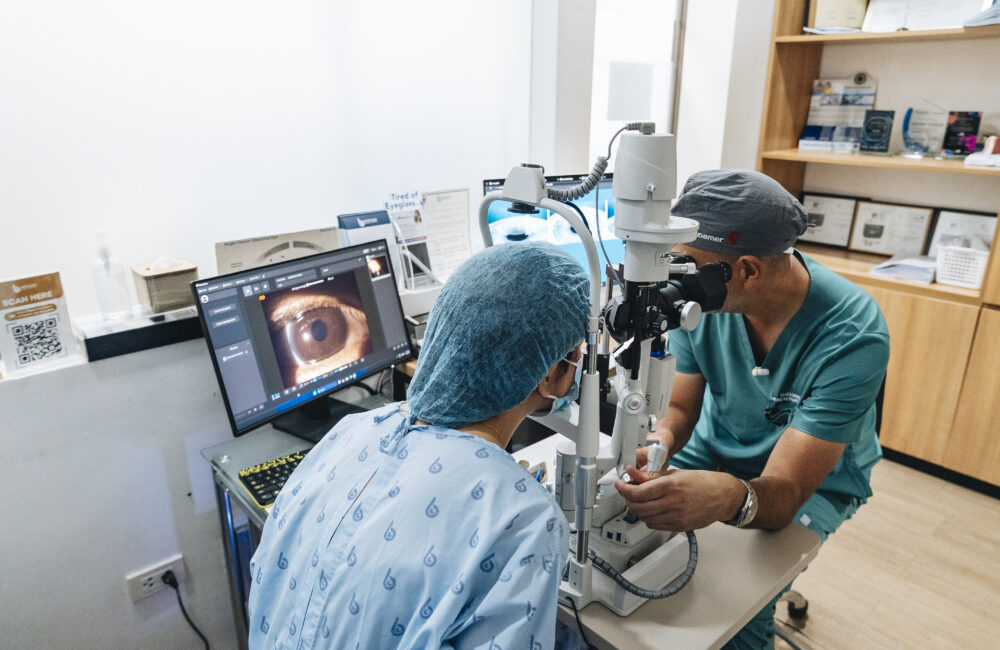
For years, LASIK has been one of the most life-changing medical procedures available. Imagine waking up and being able to see clearly without reaching for your glasses or struggling with contact lenses every day. For many Filipinos, that freedom is exactly why LASIK continues to grow in popularity.
But here’s something most people don’t realize before they start researching:
Not all LASIK procedures are the same.
In fact, “LASIK” has become an umbrella term for several different vision correction technologies — each designed for different eye conditions, lifestyles, corneal thicknesses, and recovery preferences.
That means the “best” LASIK procedure isn’t necessarily the most expensive one or the newest technology. The best procedure is simply the one that matches your eyes.
And that’s why choosing the right clinic matters just as much as choosing the procedure itself.
Understanding LASIK: What Does It Actually Do?
LASIK is a type of refractive eye surgery that corrects vision problems by reshaping the cornea using laser technology. It can help treat:
- Nearsightedness (Myopia)
- Farsightedness (Hyperopia)
- Astigmatism
- Presbyopia or age-related reading vision changes
The goal is simple: to help light focus properly on the retina so you can see clearly without depending on glasses or contact lenses.
Most procedures only take a few minutes per eye, and many patients notice significantly clearer vision within hours to days after surgery.
Why Not All LASIK Procedures Are Equal
Many people assume LASIK is just one standard procedure. In reality, there are now multiple advanced laser vision correction options available, each with different techniques, recovery timelines, and suitability requirements.
Some procedures create a corneal flap. Others are completely flapless. Some prioritize faster recovery, while others are better for people with dry eyes or thinner corneas.
This is why a proper eye assessment is essential before deciding on surgery.
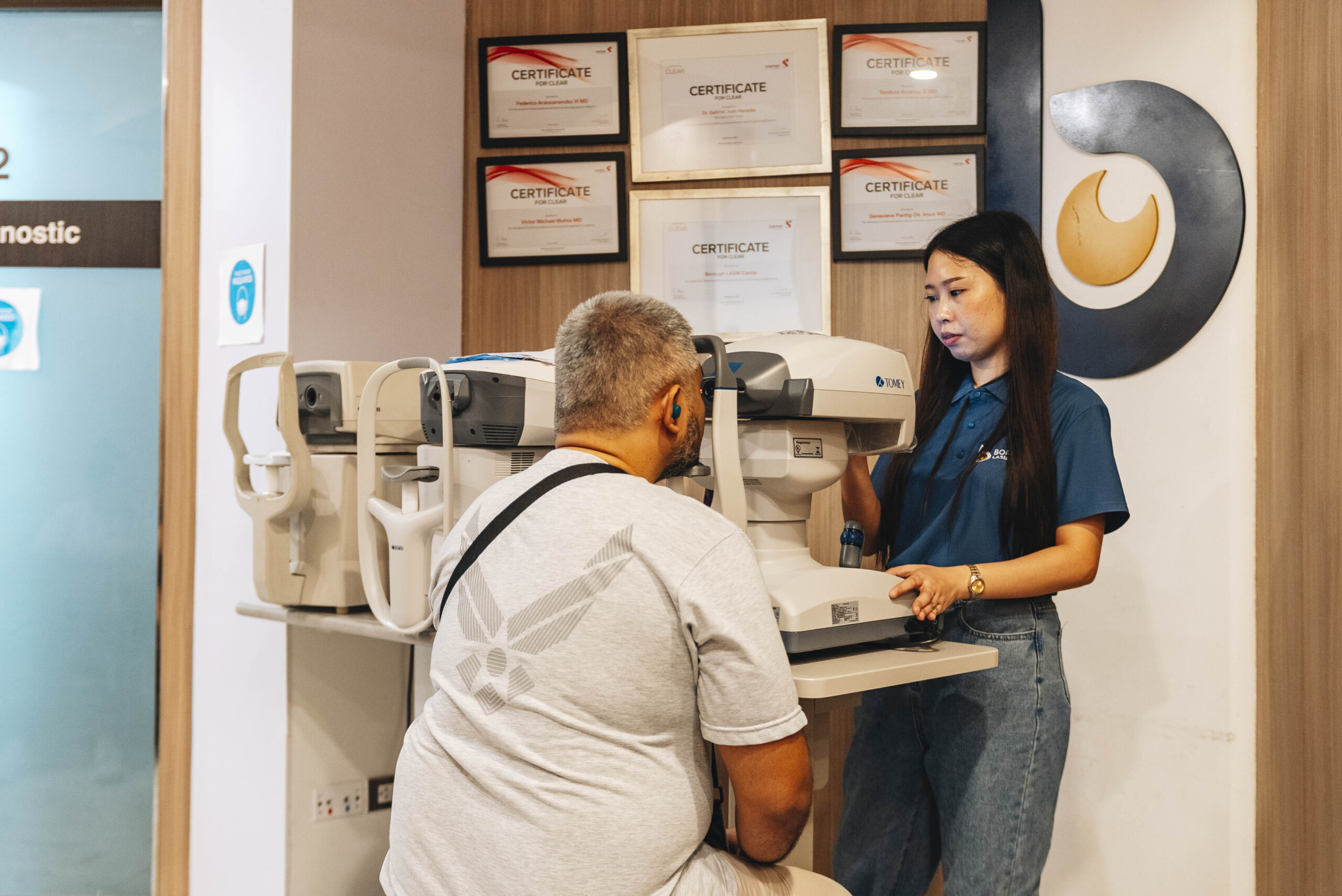
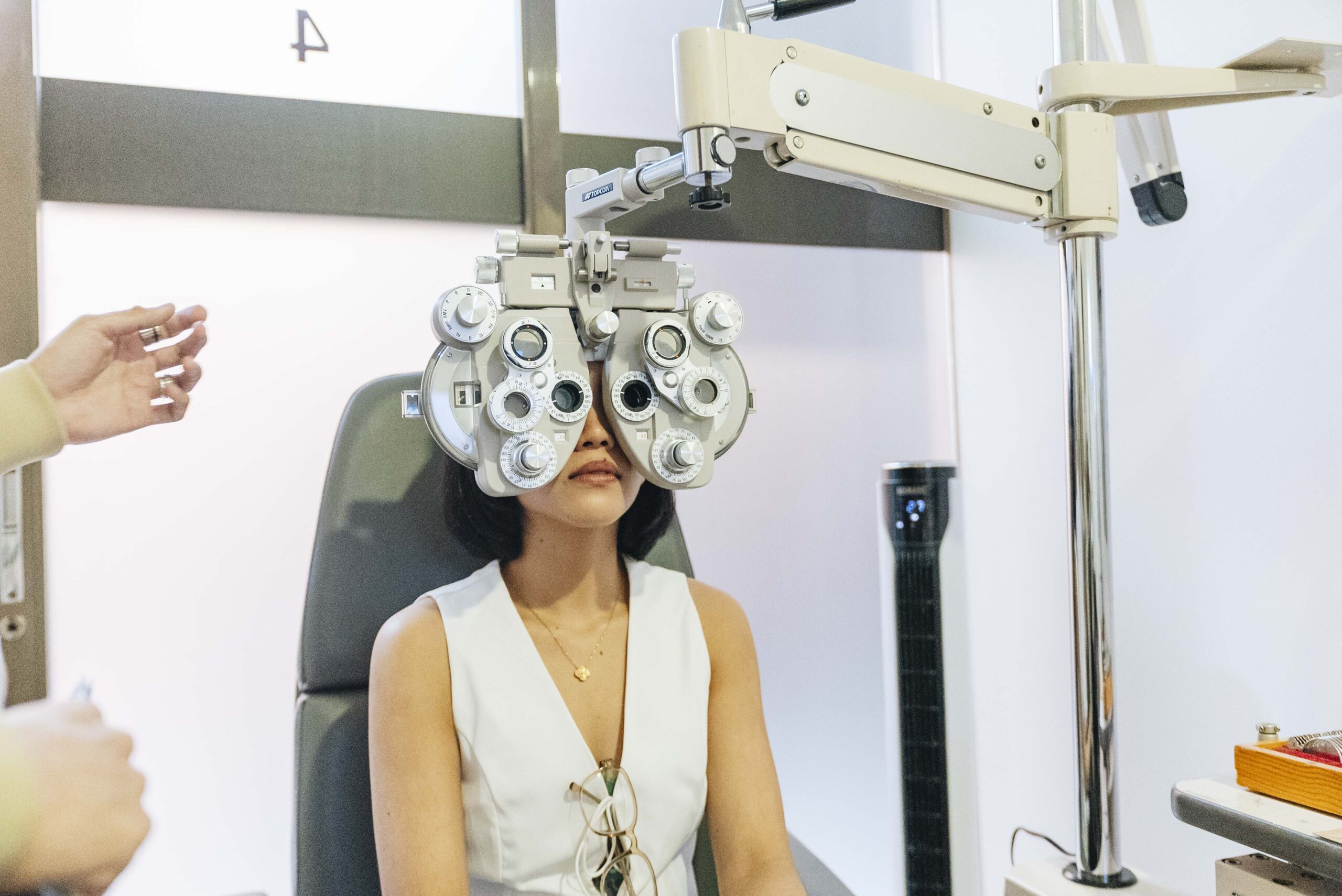
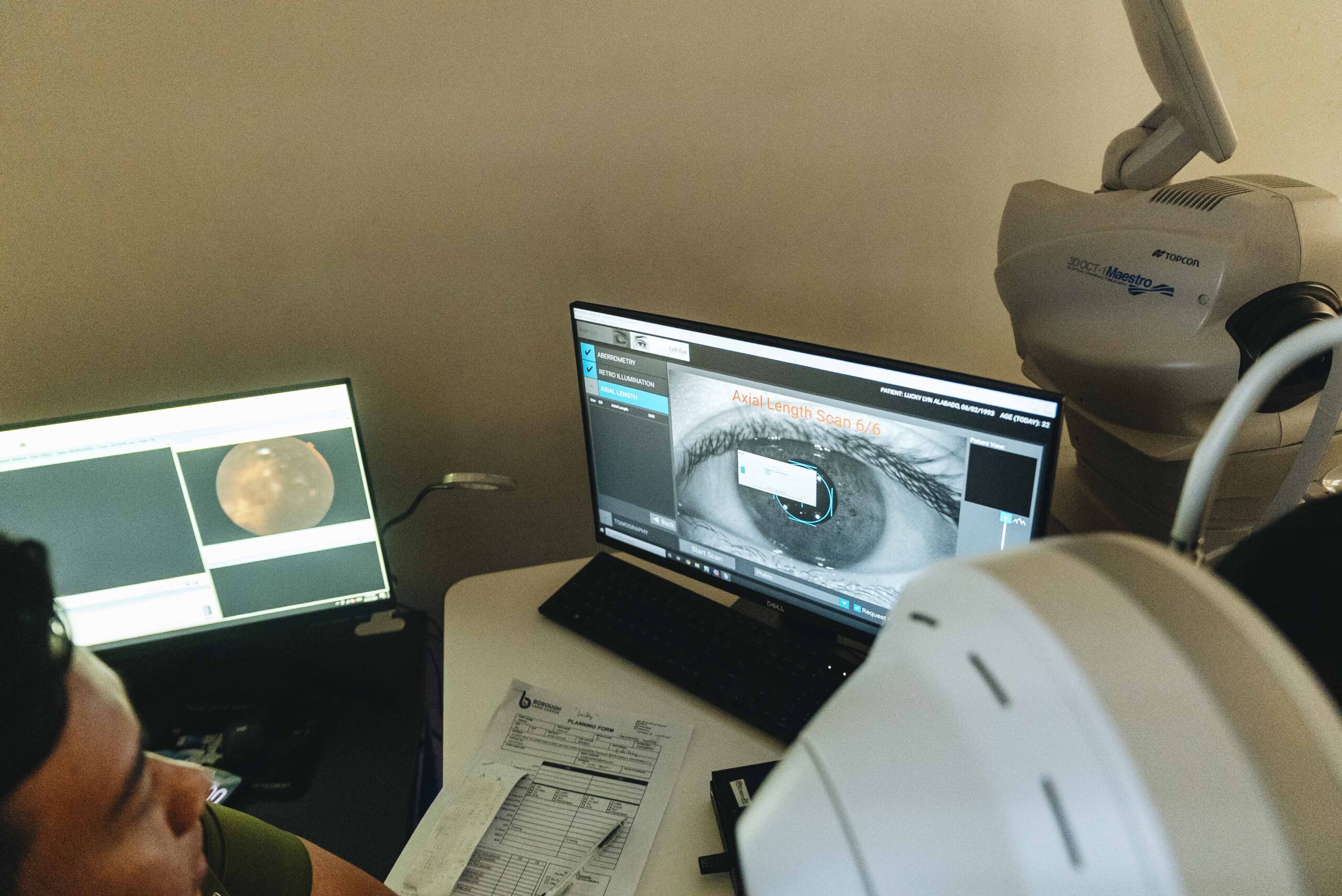
At Borough Lasik Center, patients undergo a comprehensive screening process to determine which treatment is safest and most effective for their eyes. The clinic emphasizes personalized treatment planning instead of a one-size-fits-all approach.
LASIK Procedures Offered at Borough Lasik Center
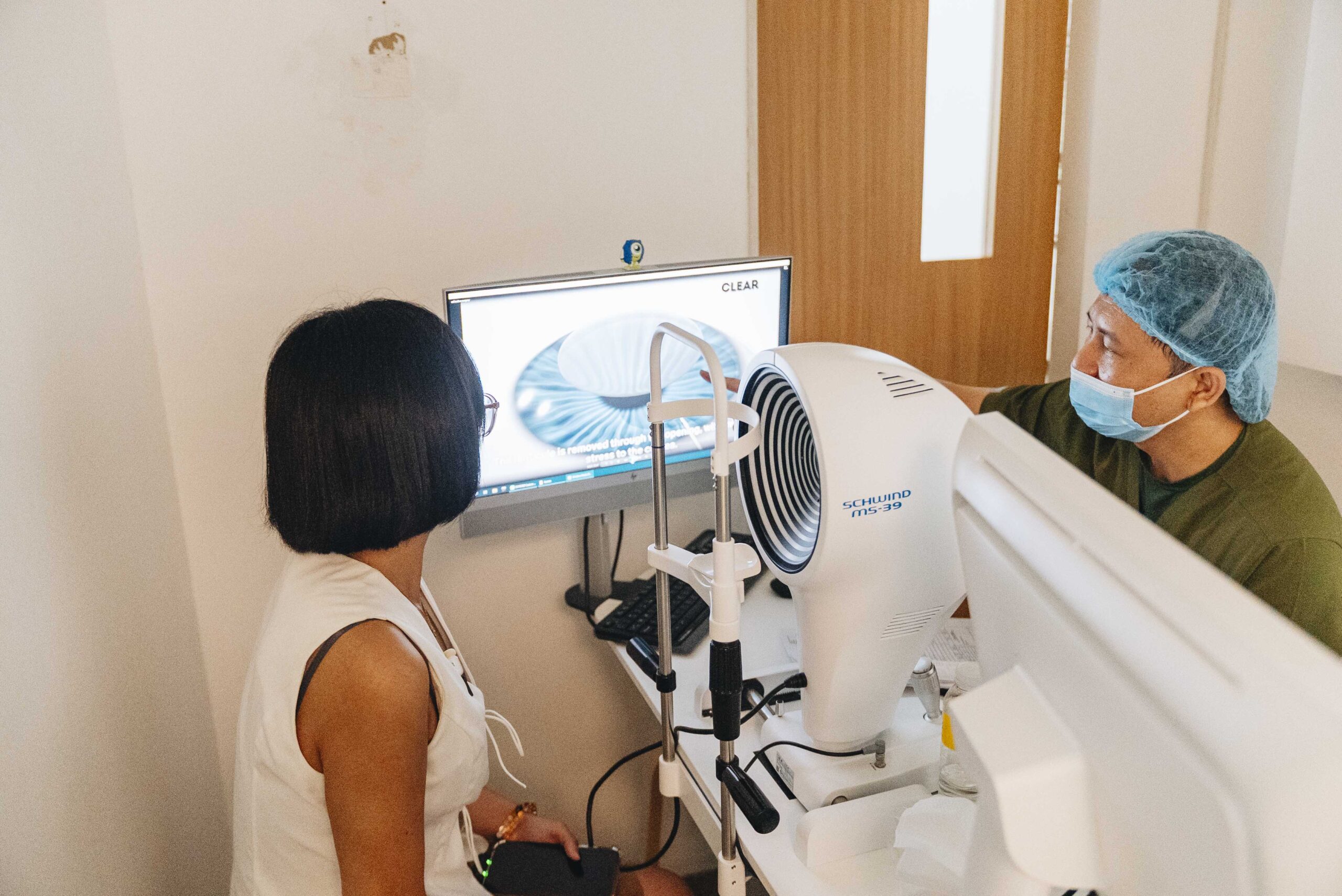
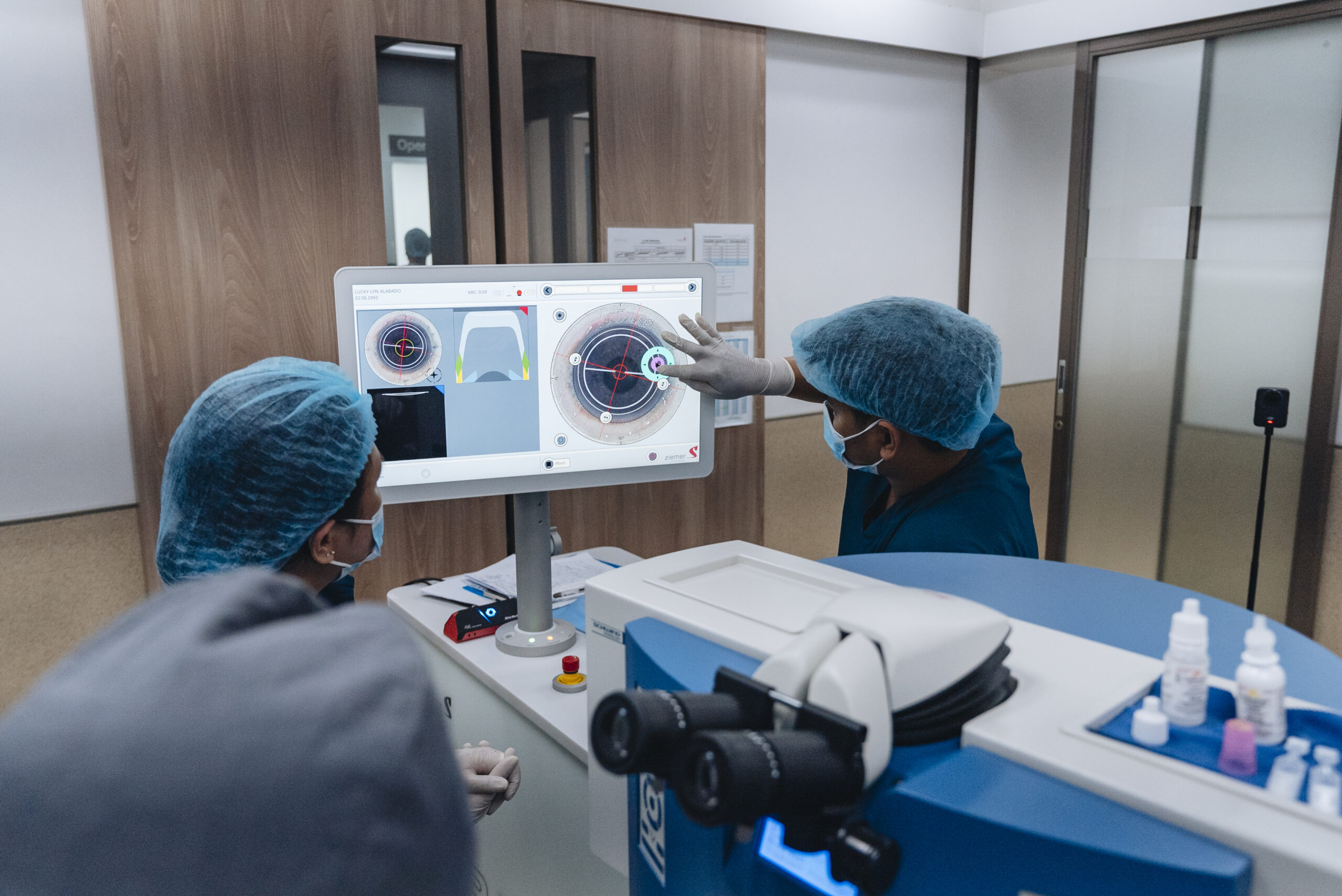
One reason many patients choose Borough is because they offer multiple refractive surgery options instead of just one procedure. This allows doctors to recommend treatments based on the patient’s actual eye condition and lifestyle.
Here are some of the procedures available at all Borough Lasik Center clinics nationwide:
TransPRK
TransPRK is a flapless, no-touch all-laser vision correction procedure that uses the Schwind Amaris excimer laser to reshape the cornea and treat refractive errors.
Unlike traditional LASIK, no corneal flap is created, making it a potential option for:
- Patients with thinner corneas
- People with dry eye concerns
- Certain active lifestyles or sports
- Uniformed personnels
Recovery is usually longer compared to LASIK, but it may be safer for some patients depending on their corneal structure.
Standard LASIK
Traditional LASIK remains one of the most widely performed and proven laser eye surgeries worldwide. At Borough, standard LASIK uses the Schwind Amaris platform and is known for its:
- Quick procedure time
- Reliable long-term results
Recovery is within 24–48 hours for many patients
This option may be suitable for patients with stable prescriptions and healthy corneal thickness.
Z LASIK+
Z LASIK+ is Borough’s advanced bladeless LASIK technology using the FEMTO Z8 NEO system. According to Borough, this technology offers:
- Faster recovery time
- Increased precision and improved comfort (vs standard LASIK)
- Reduced inflammatory reactions
- Better suitability for more complex cases such as thinner corneas
Recovery can be as quick as 2–4 hours for many patients.
CLEAR (Corneal Lenticule Extraction for Advanced Refractive correction)
CLEAR is one of the latest minimally invasive vision correction procedures available today. As an advanced evolution of SMILE (Small Incision Lenticule Extraction), CLEAR represents the next generation of lenticule extraction technology, designed to correct vision problems through a flapless and bladeless approach. Just like Z LASIK+, CLEAR uses the Ziemer Z8 femtosecond laser technology. Many patients are drawn to CLEAR because it may involve:
- Less dry eye symptoms
- No flap creation
- No blade usage
- Faster visual recovery compared to older procedures
Patient discussions online frequently mention comfort and smoother recovery experiences with CLEAR procedures.
Z PresbyMAX
Designed for patients with age-related vision changes, including presbyopia, PresbyMAX helps improve near, intermediate, and distance vision by reshaping the cornea to optimize vision at multiple distances.
ICL (Implantable Contact Lens)
Not everyone qualifies for laser vision correction. For patients with very high grades, thin corneas, or unsuitable eye anatomy, Implantable Contact Lens (ICL) may be considered.
Refractive Lens Exchange
A vision correction procedure that replaces the eye’s natural lens with an artificial lens implant to correct refractive errors. Unlike ICL, RLE involves the removal of the natural lens before the new lens is implanted.
Cataract Surgery
Aside from refractive procedures, Borough also offers cataract surgery – conventional and bladeless.
Conventional Cataract Surgery
The standard procedure for cataract removal, using phacoemulsification to break up and remove the cloudy lens.
Bladeless Laser Cataract Surgery (FLACS or Femto Laser-Assisted Cataract Surgery)
A bladeless, laser-assisted procedure that uses advanced femtosecond laser technology to perform key steps of cataract surgery with enhanced precision and computer-guided accuracy.
Both cataract surgery options are paired with multifocal intraocular lens (IOL) implants, allowing patients to see clearly at multiple distances—including near, intermediate, and far—while reducing their dependence on glasses after surgery.
How Do You Know Which Procedure Is Right for You?
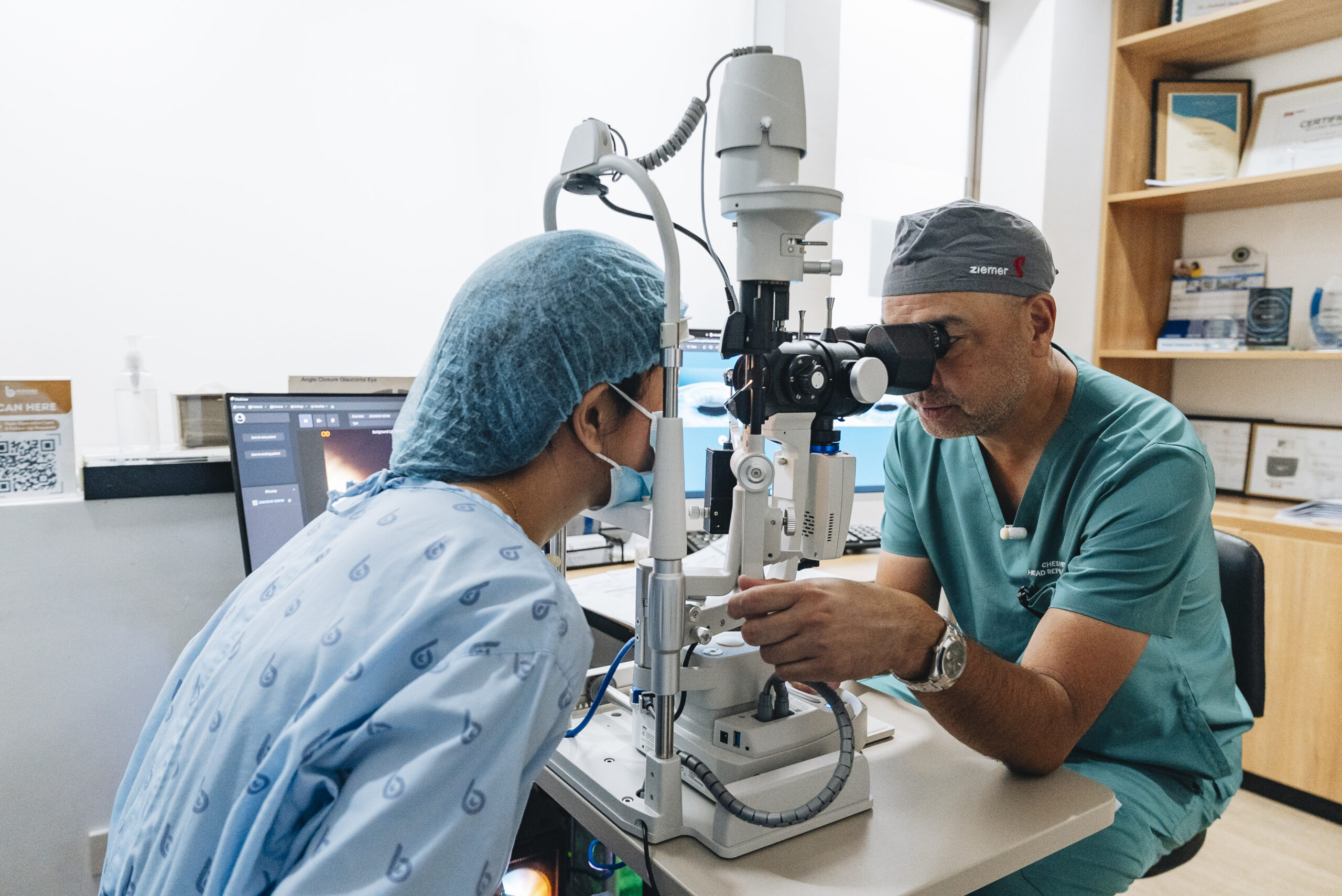
This is the most important question — and the answer depends entirely on your eyes. Doctors usually evaluate:
- Corneal thickness
- Eye grade stability
- Dry eye condition
- Lifestyle and occupation
- Age
- Existing eye diseases
- Overall eye health
For example:
- Patients with thin corneas may be better candidates for TransPRK or advanced bladeless procedures.
- Patients with severe dry eyes may not be ideal for certain LASIK techniques.
- Very high prescriptions may require ICL instead of laser reshaping.
This is why comprehensive screening matters more than marketing terms.
Borough Lasik Center’s Technology and Presence in the Philippines
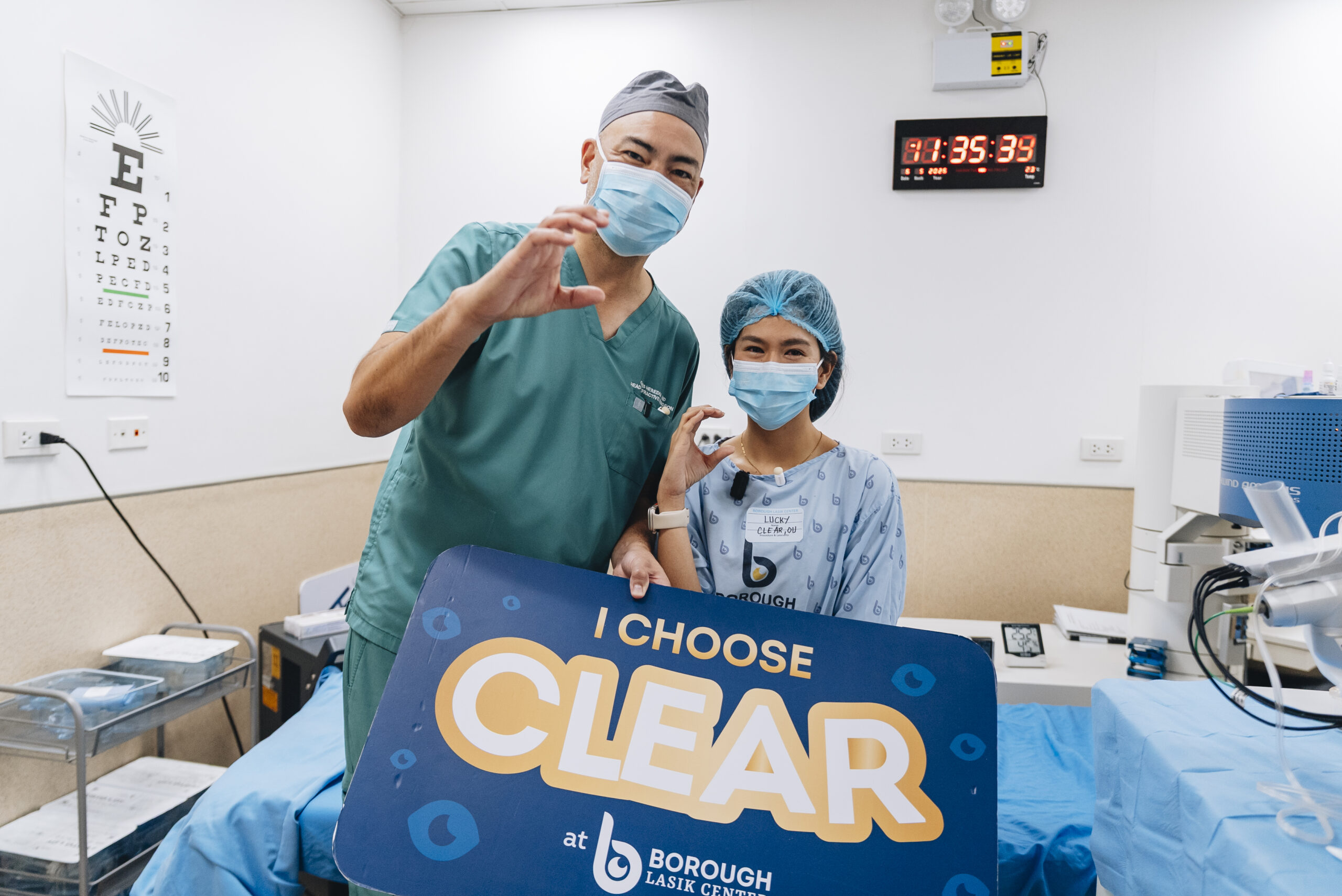
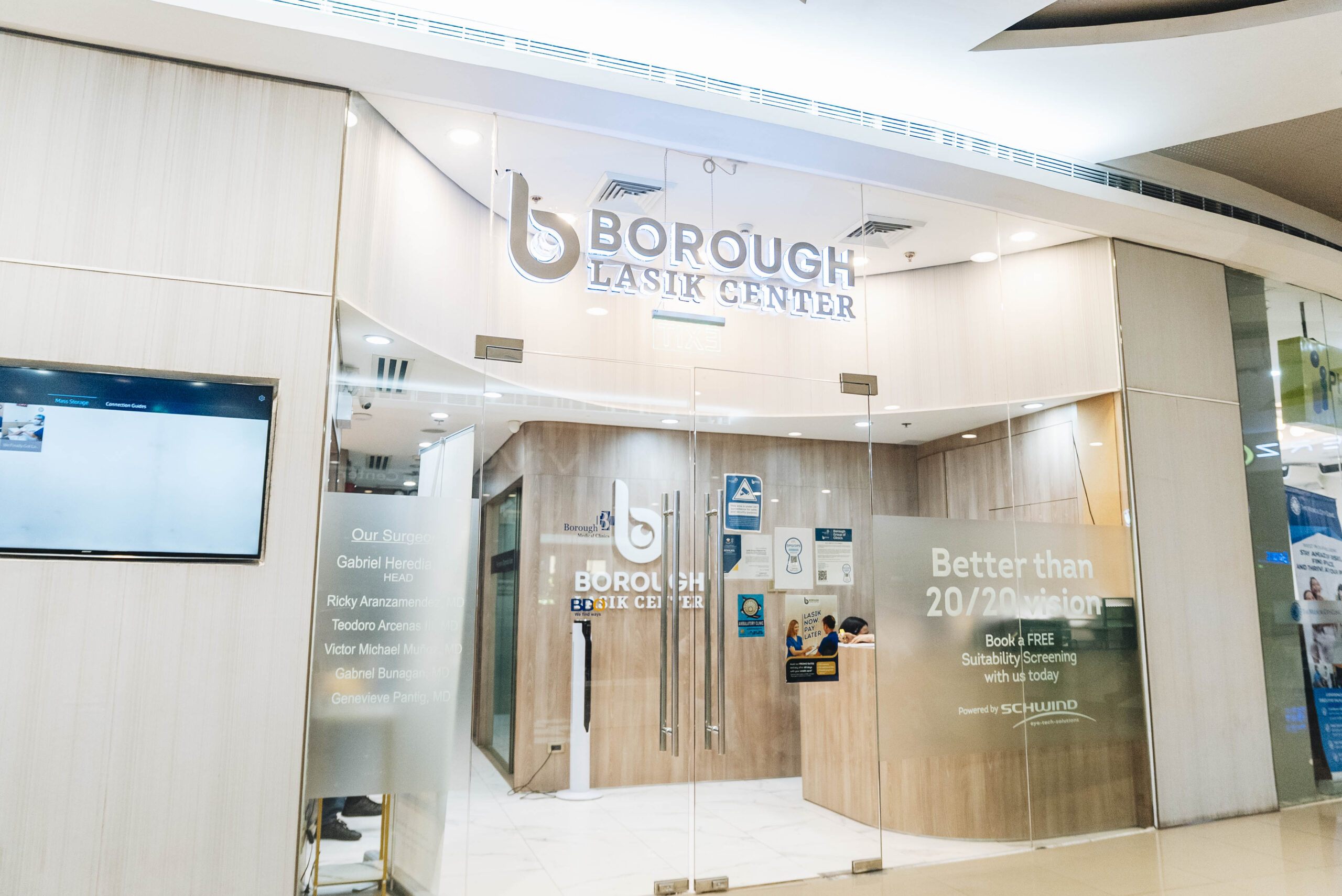
One of the reasons Borough Lasik Center continues to grow in popularity is its investment in advanced ophthalmic technology and accessibility across the country.
The clinic highlights its use of the FEMTO Z8 NEO, one of the latest femtosecond laser systems available in the Philippines.
Borough also emphasizes globally trained doctors, personalized treatment plans, and modern diagnostic equipment designed to improve precision and patient safety.
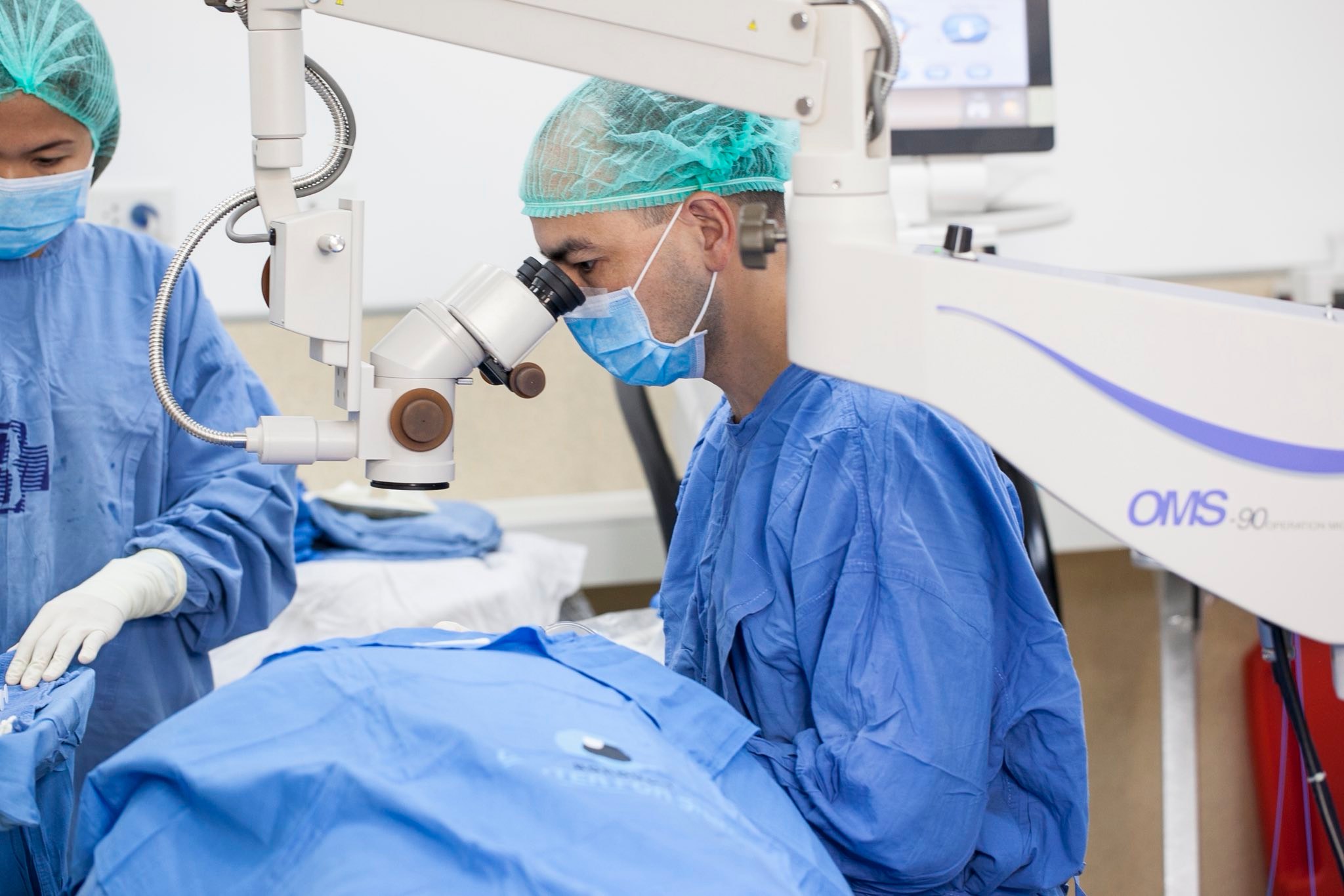
Photo by Borough Lasik Center
Borough Lasik Center is the first and only nationwide LASIK center, currently having locations across Luzon, Visayas, and Mindanao, including:
- Mall of Asia, Pasay City
- Iloilo
- Bacolod
- Davao
- General Santos
- Cagayan de Oro
This nationwide accessibility makes consultations and follow-up care more convenient for patients outside Metro Manila as well.
Frequently Asked Questions About LASIK
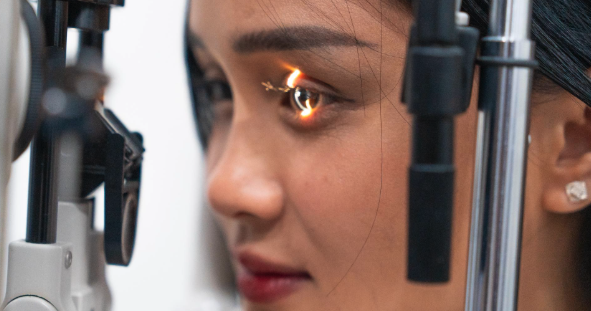
Photo by Borough Lasik Center
Can only one eye be treated?
Yes. In some cases, only one eye may require correction depending on the patient’s vision condition. However, eligibility depends on a full assessment by the ophthalmologist.
What LASIK technologies are available at Borough Lasik Center?
Borough offers multiple vision correction options including:
- TransPRK
- Standard LASIK
- Z LASIK+
- CLEAR Lenticule Extraction
- Z PresbyMAX
- ICL
- Refractive Lens Exchange
- Cataract Surgery
The recommended procedure depends on your eye condition and suitability assessment.
What are the differences between each procedure?
The biggest differences usually involve:
- Whether a flap is created
- Recovery speed
- Suitability for thin corneas
- Dry eye risk
- Technology used
- Level of invasiveness
For example:
- Traditional LASIK generally offers fast recovery.
- TransPRK is flapless but has longer healing.
- Z LASIK+ focuses on bladeless precision and advanced femtosecond technology.
- CLEAR is a minimally invasive procedure with potentially less dry eye symptoms.
The “best” option depends on the patient, not just the procedure name.
How much does LASIK cost for someone with an eye grade of 800?
Pricing varies depending on:
- Procedure type
- Technology used
- Corneal condition
- Astigmatism level
In the Philippines, LASIK procedures can range anywhere from around ₱50,000 to over ₱150,000+ for both eyes depending on the technology selected.
Patients with very high grades such as 800 may require more advanced procedures or additional screening to determine eligibility.
The most accurate way to know the cost is through a comprehensive eye assessment.
Is there a maximum age limit for LASIK?
There is no strict maximum age limit, but age-related eye conditions become more common over time.
Many clinics require patients to be at least 18 years old with a stable prescription for at least one year. Older
patients may still qualify depending on:
- Cataract presence
- Corneal health
- Dry eye condition
- Overall eye health
Some patients above 40 may be better suited for procedures designed for presbyopia or lens replacement options instead.
How soon after LASIK can a person see normally again?
Recovery depends on the procedure performed.
Typical timelines:
- Z LASIK+: sometimes within hours
- Standard LASIK: usually 24–48 hours
- TransPRK: several days to weeks for stabilization
Most patients notice improved vision quickly, although full healing and stabilization can continue for weeks to months.
Are there long-term side effects or implications?
Like any medical procedure, LASIK has risks and possible side effects.
Potential temporary effects may include:
- Dry eyes
- Glare or halos at night
- Light sensitivity
- Fluctuating vision during healing
Serious complications are uncommon but possible, which is why proper screening and choosing an experienced clinic are important.
Many patients report life-changing improvements in quality of life after successful surgery, but expectations
should always be realistic and discussed thoroughly with the doctor.
What are the qualifications to undergo LASIK?
General criteria may include:
- At least 18 years old
- Stable eye grade for at least one year
- Healthy corneas
- No active eye infections or serious eye diseases
- Good overall health
- Not currently pregnant or breastfeeding
Final eligibility can only be confirmed after a complete eye examination.
Final Thoughts
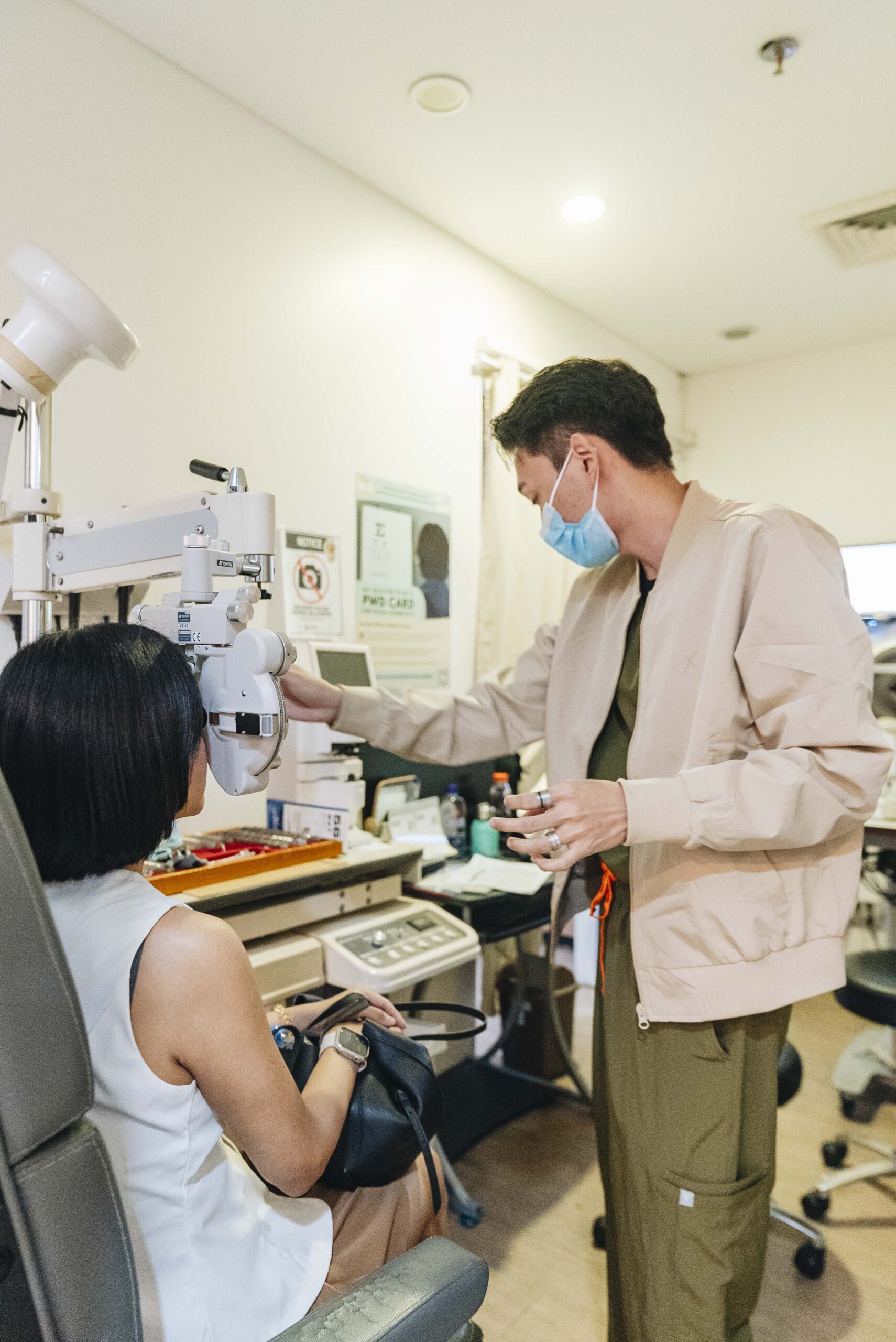
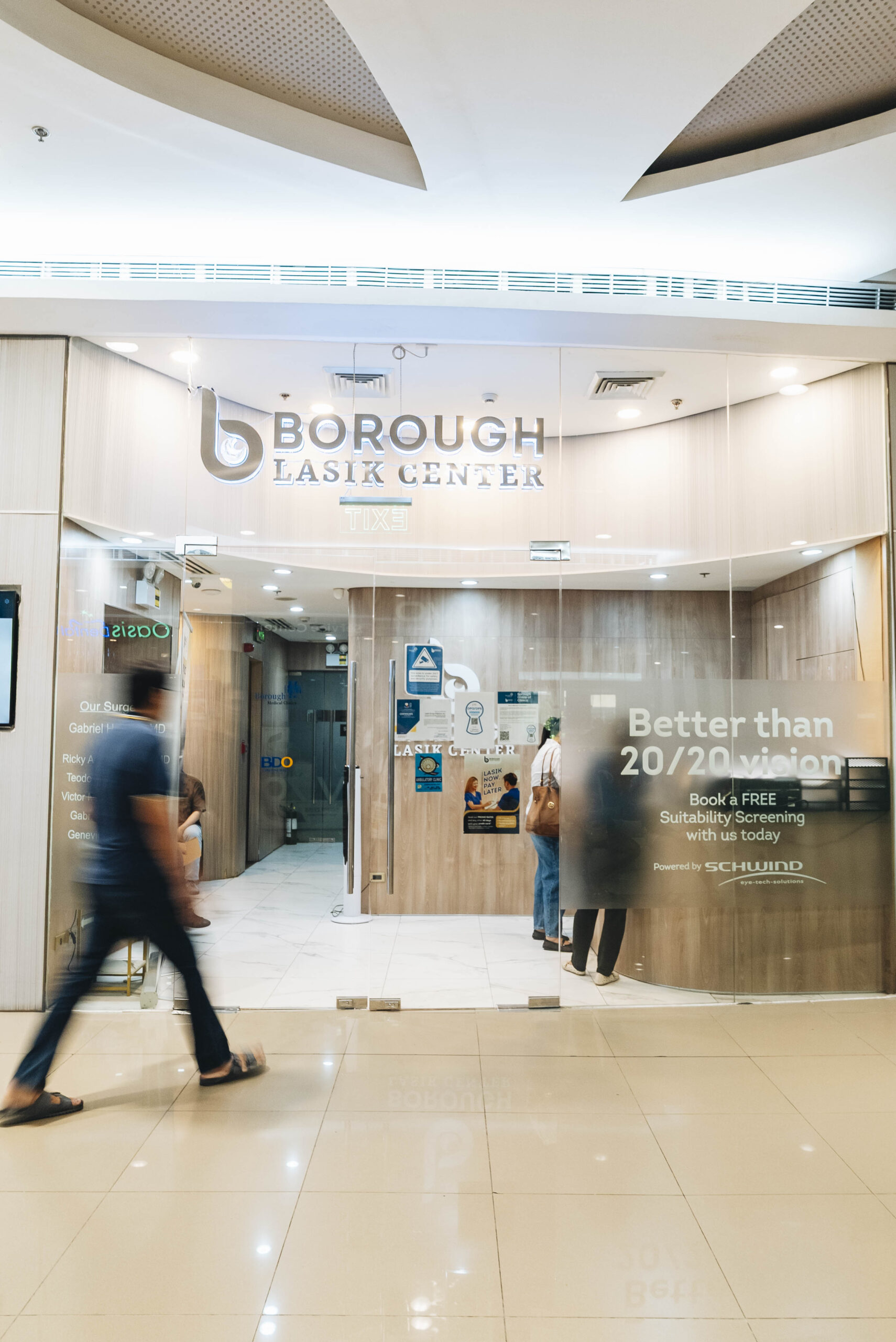
LASIK is no longer just a single procedure. Today, patients have access to multiple advanced technologies designed for different eye conditions, lifestyles, and recovery preferences.
That’s why the most important decision isn’t simply where to get LASIK — it’s finding a clinic that can properly assess your eyes and recommend the right procedure for you.
With advanced laser technology, multiple treatment options, and growing accessibility across Luzon, Visayas, and Mindanao, Borough Lasik Center continues to position itself as one of the leading providers of refractive eye surgery in the Philippines.






Leave a Reply